Smash Notes

Back to How risk-taking changes a teenager's brain | Kashfia Rahman, with Kashfia Rahman.

Why Does Kashfia Rahman Say Capable Teens Risk Carelessly?

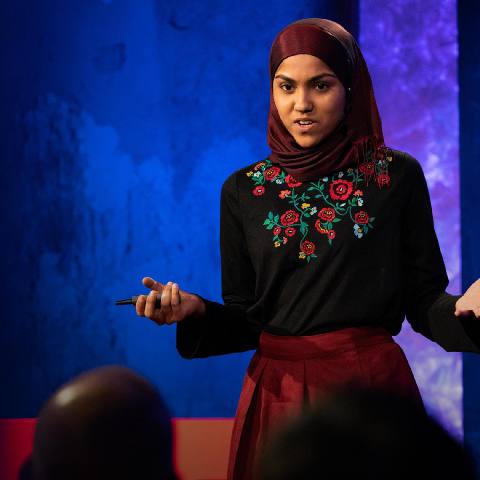
On TED Talks Daily, Kashfia Rahman starts from teens who do well in school, lead clubs and teams, and volunteer, and who also eat Tide Pods on a dare, speed and text while driving, binge drink, and try illicit drugs. At 16, watching classmates in person and on social media, she saw that the more they exposed themselves to harmful risks, the easier the next risk became. A D.A.R.E. certificate from fifth grade did not stop it. Neuroscientists already knew that ages 13 to 18 take more risks than children or adults. Her question was whether that is a sudden turn toward recklessness or a normal phase of the teenage brain, and the exposure effect is the clue she followed.

Transcript

How risk-taking changes a teenager's brain | Kashfia Rahman ·
TED Talks Daily

More from this episode

  1. How Did Rahman Conduct Her Experiment on Her PeersRahman conducted her study with 86 students that were required to wear electroencephalogram headsets (EEG) and had them take a simulation test regarding…
  2. How Does Habituation Affect the Rise of Risk-taking in TeenagersHabituation can change a teen’s brain by altering their emotional levels, which causes greater risk taking.
  3. What Consequences of Teenage Risk-taking Does Kashfia Rahman Describe?On TED Talks Daily, Kashfia Rahman says that as the teenagers in her account became less fearful, guilty, and stressed, they lost the brain's ordinary fear…
  4. What Did Rashman’s Study RevealThese results should be a wakeup call for teens because it showed that the natural and necessary fear and guilt that protected teens from unsafe situations…

People

More answers like this

The other side

Related episodes

Plays from this note through the rest of the episode.

Weekly highlights

One letter a week.

The notes worth hearing, with the minute they were said.