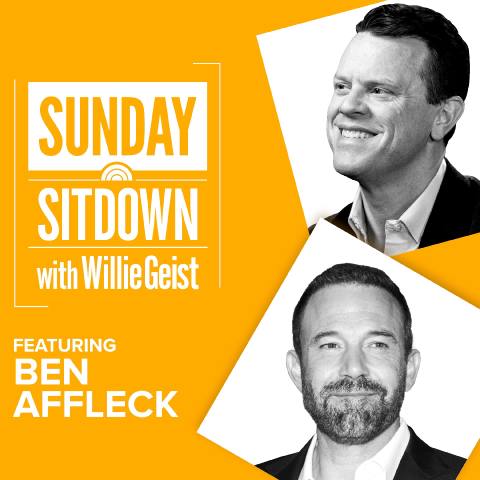
Back to Ben Affleck on “Animals,” Matt Damon, and His Family, with Ben Affleck.
Why Does Ben Affleck Tie Congo's Ebola to America?
Ben Affleck says philanthropists should not show up and dictate how local work gets done. Flying in people from Europe or North America and paying them to stand around as experts leaves no real value and no real improvement where they work. His model is to invest in local organizations until they become sustainable and need no further investing. The work includes women victims of gender-based violence in war, capacity building with coffee farmers and growers, education, internal health, access to clean water, and healthcare.
The abrupt dissolution of USAID raised the stakes. Affleck calls USAID a tiny fraction of the US federal budget and a very meaningful piece of the aid that goes out to the world. He says it was one of the noblest things the United States government did, and it is now wiped out, so the need is even greater. An ongoing Ebola crisis is underway in the DRC, in Eastern Congo, where they are working. Half of the money from the millionaire went to trying to stem and limit the spread of Ebola.
Affleck says a problem far away is still your problem if Ebola gets out and crosses the borders. He also believes people with good fortune and something to give benefit from helping others. It gets them out of their own lives, connects them to other people, and is quite healing. He hopes the work has done some good for other folks, and he knows it has done a lot for him.
Ben Affleck on “Animals,” Matt Damon, and His Family ·
From the transcript
And again, it was my kind of attempt to try to like apply a different model in, in the case of philanthropy, which is to say like philanthropists don't need to show up and dictate like how you should do this and nor should philanthropists, there's a lot of NGOs that just sort of show up somewhere and end up bringing a bunch of people from Europe or North America and paying themselves to stand around and be experts.
And no real value accrues and no real improvement accrues to the, to the place in which they're working. And so, it was a model that's been important to me for a long time. And, and we work with like women's victims of gender-based violence in war. We've done a lot of capacity building with coffee farmers and growers. And, you know, education, internal health, access to clean water and healthcare.