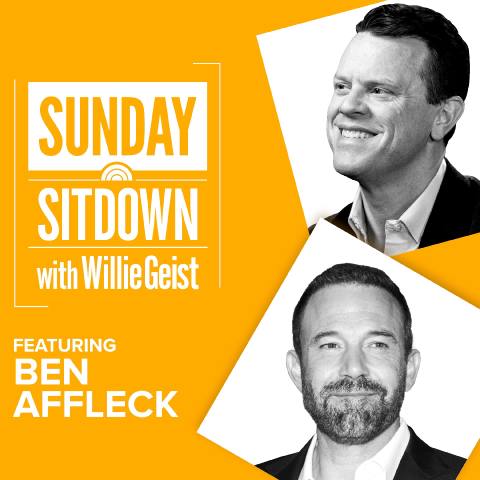
Back to Ben Affleck on “Animals,” Matt Damon, and His Family, with Ben Affleck.
Why Do Data Centers Create So Few Jobs?
Ben Affleck says he heard Chamath, someone he has known for a long time, say something he thought was pretty smart. He retells the point: people told they are sharing in the value of new development cannot be left with a theoretical future promise. Carnegie and Rockefeller built museums and parks. The railroads were an evident public good, and money also went into the communities around them. Neighbors will embrace data centers only when a benefit is evident with a data center in the backyard. Otherwise they will say a builder is going to spend all the money, create 200 jobs, and leave them staring at a giant concrete square stuck in the water and the power.
The water line after that exchange is his own, and he never finishes the criticism. He calls the water thing a little bit of a, then says the setup is really a sort of closed loop water system. He does say the buildings are electrically very taxing and take a lot of electricity, and he says to be honest about the impacts.
If a four or five trillion dollar expenditure in the next three or four years is real, he says, the sum is about what it costs to build the national highway system in the United States, and more is needed. He frames the riddle as a PhD in economics whose thesis asks how to spend the most money and create the fewest jobs.
Ben Affleck on “Animals,” Matt Damon, and His Family ·
From the transcript
If you're going to pick up and run, because someone's going to tax you 5% on 100 billion dollars that you can't even spend in 100 lifetime. Like, that's so much money. You have to be a government to distribute that much wealth. So I don't understand the psychology behind like, you know, and that's where I think there needs to be like, like I heard a guy, Chamath, who said, I've known for a long time, was say something I thought was pretty smart on one of these podcasts recently.
It was like, hey, Like, if we're going to be doing all this development and trying to tell people that, like, they're sharing in the value of this, it can't just be theoretical future value. You know, you're looking at the past industries that have expanded, like whether it's, you know, Carnegie or Rockefeller, they built museums and parks and, you know, and the railroads were evident public good, but they also, like, invested in communities around it.