Smash Notes

Back to How doctors can help low-income patients (and still make a profit) | P.J. Parmar, with P.J. Parmar.

How Many Resettled Refugees Did Parmar’s Clinic Serve Within 6 Years

His medical team has served more than 50,000 medical refugee visits. 90% of his patients have Medicaid and most of the rest, he sees for free.

Transcript

How doctors can help low-income patients (and still make a profit) | P.J. Parmar ·

From the transcript

I thought about this while in medical school. If I could design a practice that caters to low income folks instead of avoiding them, then I would have guaranteed customers and and very little competition.

So after residency, I opened up shop doing underserved medicine not as a nonprofit but as a private practice, a small business seeing only resettled refugees. That was six years ago, and since then we've served 50,000 refugee medical visits.

90% of our patients have Medicaid, and most of the rest we see for free. Most doctors say you can't make money on Medicaid, but we're doing it just fine. How well, if this were real capitalism that I wouldn't tell you because you'd become my competition.

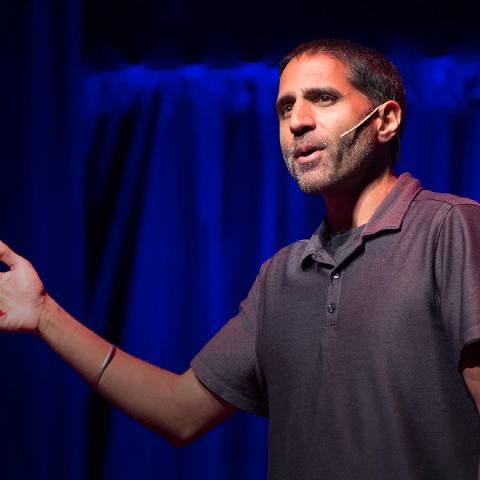
But I call this bleeding heart capitalism,
See in transcript

TED Talks Daily

More from this episode

  1. Why Do Half of Family Doctors Refuse Medicaid Patients?It's because Medicaid pays less than private insurances. Also, Medicaid patients are shown as more challenging patients.
  2. Why Does Parmar See Only Walk-in Patients?Parmar paints a picture of a patient that has no phone minutes or phone access.
  3. What Does P.J. Parmar Say His Refugee Clinic Costs Compared With Other Care?On TED Talks Daily, P.J. Parmar says his clinic at Mango House is cheaper than the places his patients would otherwise go.
  4. How Can We Bridge the Gaps of Underserved Medicine Gap and the Inequality GapThe only way we are going to bridge the underserved medicine gap is by seeing this as an opportunity.

People

More answers like this

Related episodes

Plays from this note through the rest of the episode.

Weekly highlights

One letter a week.

The notes worth hearing, with the minute they were said.