Smash Notes

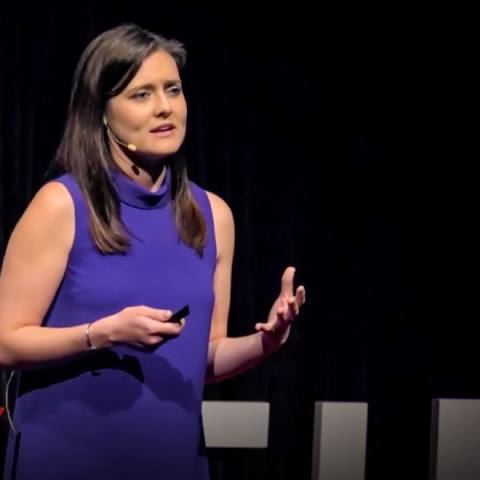
Back to Why teens confess to crimes they didn't commit | Lindsay Malloy, with Lindsay Malloy.

What Has the US Decided as a Country in Regard to Juveniles

Juveniles cannot be trusted with things like voting, buying cigarettes, attending an R-rated movie, or driving, but they can waiver their Miranda Rights-- which teens don’t know or understand to appreciate. Potentially, they can waive these important rights without consent or knowledge of an adult.

Transcript

Why teens confess to crimes they didn't commit | Lindsay Malloy ·
TED Talks Daily

More from this episode

  1. Which Age of Suspects Are More Likely to Give False ConfessionsYouth are especially vulnerable to providing false confessions.
  2. Why Might a Teen Falsely ConfessIn the US, teens are integrated just like adults. For many reasons teens falsely confess because cops can lie to teens, even to intellectually impaired teens.
  3. Why Is Questioning Teens Like Adults a Problem?Hundreds of neuropsychological studies reveal that juveniles do not think like adults, behave like adults, and they are not built like adults.
  4. What Should We Educate Law Enforcement, Attorneys, Judges, and JurorsThey should be educated on juveniles’ developmental limitations, and how they can play out in a high stakes interrogation.
  5. How Does the US Legal System Differ From Other CountriesIn the US, the suspect has to request to have a parent or attorney in the room.

People

More answers like this

Related episodes

Plays from this note through the rest of the episode.

Weekly highlights

One letter a week.

The notes worth hearing, with the minute they were said.