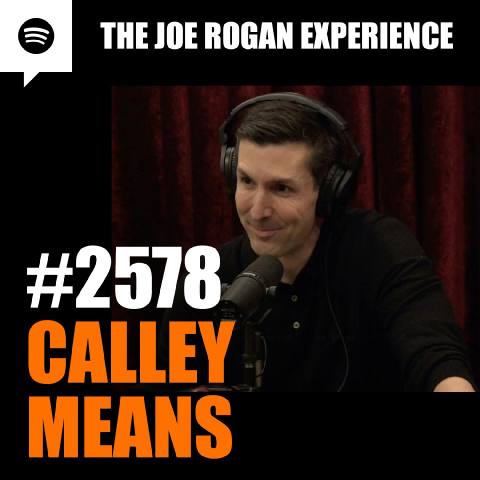
What Is Gas Station Heroin?
Calley Means uses the phrase gas station heroin for kratom-related products sold through what he describes as a legal gray area. He identifies their opioid effects as the reason for his concern and describes a U.S. market worth about $3 billion, while qualifying that figure as his understanding.
He distinguishes products containing trace amounts from concentrated 7-OH products. Means says an early limit was set at a 0.05 percent concentration and alleges that pressure from the White House later increased the permitted tolerance twenty-fold. He says he does not think President Trump knows about the change. These are his descriptions of the products, market and regulatory dispute, not verified legal limits or medical guidance. The segment does not recommend a dose or establish how much of any product would be safe to consume.
From the transcript
It's an opioid. Just straight up? It's a straight up opioid. Okay. It's called gas station heroin. It is an opioid, period. It is a legal gray zone, and I don't think many people know about this, but this is a $3 billion industry. Whoa. This is massive, billions of dollars. Just in the United States? Yeah. Okay. That's my understanding. Okay.
This is rampant right now in America. Many people probably do know about this. But this is an opioid. And it comes from a leaf. You can concentrate the 708, which is the molecule. But it's through a legal gray area, has been able to be put into products that are sold at gas stations, stores. Juice shops? Yeah, yeah. That's where I first encountered it, was at a healthy juice shop in Los Angeles.