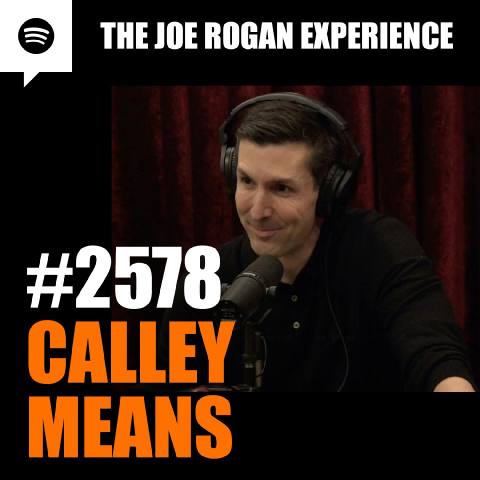
What Slowed the Ibogaine Executive Order?
Calley Means says psychedelic policy faced internal resistance, but he does not describe the ibogaine executive order as simply stalled at the time of the interview. Responding to Joe Rogan's concern about delays, he says this issue was moving more positively than almost any other because the president remained engaged.
He describes earlier resistance from Heidi Overton and others who, in his account, grouped psychedelics with street drugs. He argues that a potentially one-time treatment does not fit the usual pharmaceutical business model, while presenting that as his interpretation rather than a proven motive. Means says the issue had been unblocked and that people still inside were watching for new obstacles. He also recounts officials calling Rogan's phone call to the president an end run, a characterization he rejected.
From the transcript
to get some things done that are not partisan but anti-institution, like reform the institution. I believe that. I know there's been an incredible amount of resistance from the people that I worked with to meet with him at the White House about Ibogaine and psychedelic use for veterans, for people with addictions and all the things that we talked about during that historic meeting.
He signed the executive order and everyone that's involved in it on my side is saying it's unbelievably bogged down. Oh, yeah. I would say that the psychedelic is moving more positively than almost any other issue because the president is very engaged on it. But you have an infrastructure that is trying to wait us out and bog down everything.