Why Were Fruit-flavored Vapes a White House Priority?
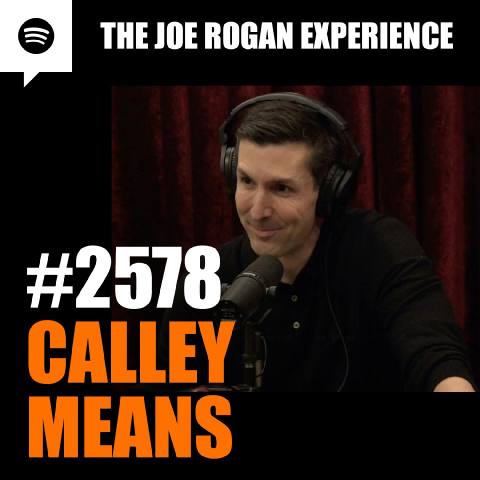
Calley Means says lobbying and a midterm-election argument made approval of fruit-flavored vapes a priority for the White House officials he dealt with. He describes James Blair as treating the issue as more urgent than other health-policy proposals and arguing that young men wanted access to flavored products.
In his account, Marty Makary resisted pressure to relax the approval process, and Heidi Overton advanced a policy easing standards after Makary was fired. Means says the policy drew a lawsuit pointing to requirements for evidence about harm to children. He also says he has heard that Blair took money from the vaping industry, but explicitly says he cannot substantiate that allegation. The account should not turn that acknowledged hearsay into a finding about payments or claim that Makary was fired for a reason the passage does not establish.
From the transcript
Also on the surveys, it's clear that it's all about the flavored vapes. So flavored vapes are very appealing to kids. And like 70% of kids said that people wouldn't vape if there weren't flavored vapes. So some of these folks I put up earlier...
There's significant money flowing around to some of the folks that I mentioned from the vaping industry. It's a massive, massive industry. And it's also the big tobacco guys are really getting into this and funneling a lot of money to Ballard. So it was well known at the White House.
I don't know, I think it's Ballard, but one of the top firms. But it was well known, this is a tagged issue, that this was a big one. These guys are donating to the various causes. They're hiring the right people. It was the single, in my opinion, the single most prioritized issue at HHS among any health issue for James Blair, who really has a stranglehold on policy.