Who Sets Policy in the Trump White House?
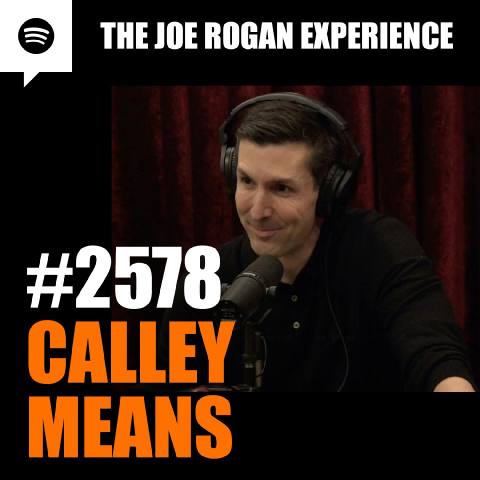
Calley Means describes Susie Wiles's chief-of-staff office as the gatekeeper for policy in the Trump White House. In his account, cabinet secretaries had to secure that office's approval, and deputies James Blair, Walker Barrett and Richard Walters held substantial influence.
He alleges that lobbying relationships shaped the process. He describes Wiles's earlier lobbying work and says pollster Tony Fabrizio continued to list Pepsi and pharmaceutical clients while advising officials on political strategy. Means says he does not know whether President Trump fully knows about those outside clients. His school-meal example is that Fabrizio judged the political payoff of reform not worth the fight, despite the public support Means believed it had.
From the transcript
The energy was, we felt like we were in the most consequential moment in American history. We were going to go hard and we were going to be able to channel what voters voted for. I cannot express to you how electric it felt in there in the early days. So what was the process like where you felt like it was off the rails? Yeah. So I want to get into specifics.
We all know things are corrupt and bad, but I'll just get right into specifics. What I learned And I don't think anyone would dispute this. The way the White House– this White House is set up is the most centralized control up to the chief of staff office of any administration in American history. So I'll just get into details about who runs the White House.