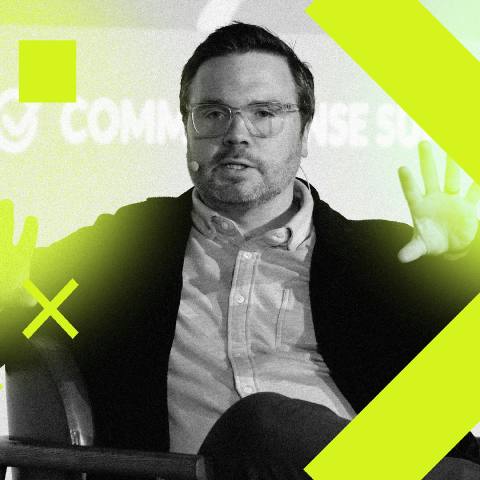
Back to Kevin Roose is AGI-pilled. Why aren't you?, with Kevin Roose.
Will OpenAI, Anthropic, and Google Become Trillion-dollar Companies?
Kevin Roose says OpenAI will make it, Anthropic will make it, and Google will make it. Asked whether that means trillion-dollar successes with more than one AGI, he says yes. He expects those three and maybe one or two others, and he says making it will not mean the same thing for each of them.
He does not expect a singleton, the theory that one AGI then stops every other lab from building one, including by melting their chips. He expects a small handful. The reason he gives is network effects and winner-take-most markets: one or two big enterprise AI companies, and one or two big consumer AI companies. That is his forecast, not a claim that the race is already decided.
Kevin Roose is AGI-pilled. Why aren't you? ·
From the transcript
I don't either. And I think that we're going to see a lot of growing pains. I mean, these are still very young companies. They still, you know, have a lot of growing to do. I'm sure they're going to make it. Actually, let's do this like this in a lightning round. Do you think OpenAI will make it? Yes. Do you think Anthropic will make it? Yes.
Do you think Google will make it? Yes. What does make it mean in your mind? They're all going to be trillion dollar, multi-AGI variant successes? Yes. I think, look, there will probably be those three and then maybe one or two others that sort of make it.
and make it for varying definitions of making it like there will be one or two big enterprise AI companies, one or two big consumer AI companies, but there just are network effects and winner take all dynamics and, or winner take most dynamics in, in these markets. And so, yeah, I expect that there will be, you know, there's some people who believe in the kind of like the, the mono AGI, like, The Singleton theory, it's often called like there can only be one because once you have one AGI, it's then going to go around like melting the chips to the other AI labs and they won't be able to build theirs.