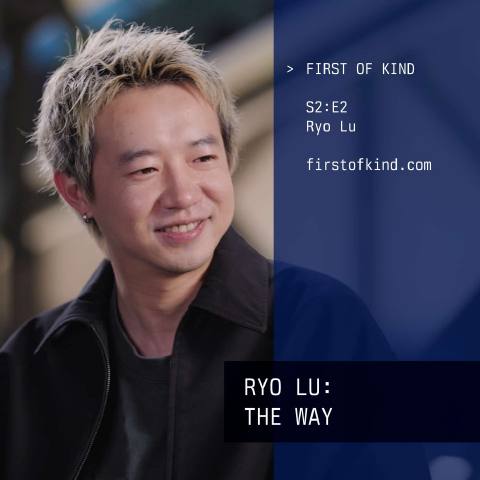
Back to Ryo Lu: The Way, with Ryo Lu.
Why Does Caring About Cursor Mean Staying in the Product?
Ryo Lu says caring about Cursor means staying in the product constantly, which is the difference between doing software as a job and building something you really care about. You start from your own pain points, your own habits, and a tool that flows with how you think and makes you happy. The work then grows into solving problems for people like you.
Everyone who started Cursor was a software engineer who loved programming and loved making tools. They needed something that fits AI better and takes advantage of what the models have when the models are put with coding: the right interaction and the right way to do the thing. They built Cursor for themselves, kept going because they care, and more people who care gathered around the product.
Waiting for a ticket, finishing it, and then stopping leaves no connection, because you cannot use the product yourself. Cursor is so core that the people building it use Cursor almost every hour and every second, both to make Cursor and to have fun.
From the transcript
And in this context, you are building Cursor within Cursor. There's something intensely recursive about that. And so it creates this quality of dogfooding that's very unique. To people who are unfamiliar with that way of working, how do you kind of describe it to yourself? How do you describe it to others? Yeah, I think it's like a lot of us, maybe we think of us as we're just like
doing software for a job versus you're actually like you're building something that I really care about. Like what's the difference? Like if you want to do something you really care about, You just need to be constantly in it. You start from building things for yourself. Your own pain points. Your own habits.
To make yourself happy. To build something that flows well with how you think. Then it gets a little bit bigger. It's like now you're solving problems for people like you. In the context of Cursor, everyone who started Cursor, they were just software engineers. They loved programming. They loved making tools. And that's how they started. They needed something that fits the AI better, that takes advantage of all the things the models have.