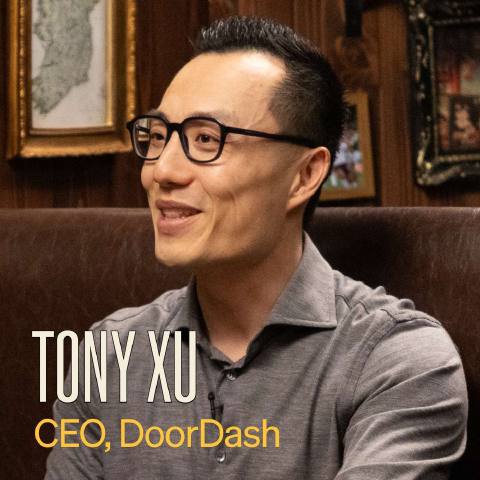
Back to The economics and trends of the restaurant industry, with Tony Xu of DoorDash, with Tony Xu.
Why Should a Restaurant Reservation Take a Deposit?
Tony Xu says a little deposit on a restaurant reservation makes a ton of sense, after John Collison likens it to a flight reservation you do not simply decide to skip. The implementation of the idea is what is difficult. Restaurants with very limited seating and very long seatings face a very high opportunity cost for a cancellation, versus a restaurant that may have infinite production capacity. The idea itself makes a ton of sense, and the implementation is what matters.
No-shows are being worked on right now, and there is not one single fix. The first step is helping people find reservations they want to go to. A lot of room is left to innovate, because there has not been that much innovation in discovery. Discovery is very difficult. Instagram is one way people find restaurants. Other social channels are another. LLMs are another, and so are friends. No matter the sources of input, most restaurants still struggle generating their own demand. So long as that stays true, there is a shot at making a difference.
The economics and trends of the restaurant industry, with Tony Xu of DoorDash ·
From the transcript
you know, we have a seat at the table. Talk in reservations, they carved out a successful niche in high-end reservations. And I think about one of the beliefs that informed their products most strongly was that no-shows are terrible for restaurants. And a restaurant reservation should be like a flight reservation where you don't just get to, decide you're not going to go to the restaurant.
Yeah, you put a little deposit. Yeah, exactly. You put a little deposit down. Do you subscribe to that philosophy? Do you think it's maybe less relevant? Like, again, they were really dealing with very high-end restaurants. Do you think it's less relevant for regular restaurants? I'm just curious what you think of that viewpoint, that we're doing reservations all wrong, was I think kind of one of the founding insights of Tuck.