Has Software Become a Capital Problem?
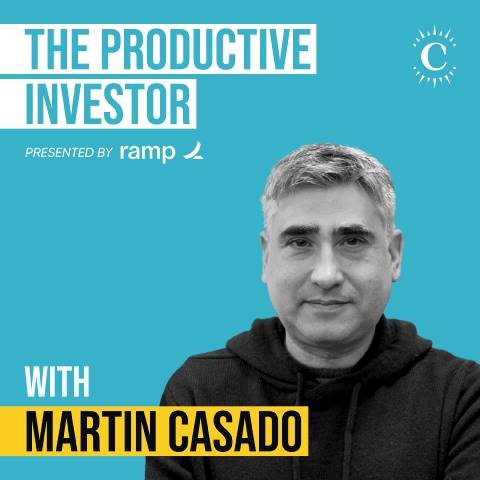
Martin Casado believes software has become a capital problem, and he treats the shift as industrial-revolution scale.
The industrial revolution moved the world from a zero-sum contest to a non-zero-sum one, where net new value is created. He sees the same kind of shift now. Solving problems used to mean very complex engineering that did not scale, was very tough, and then had to be maintained, which is why all software has always sucked. He does not know about the real world yet and thinks it will get there, but the work has turned into a capital resourcing problem. Capital allocators are in a strategic position to drive the future more directly than before, because a scale-up capital game is what makes the shift happen. He does not believe private markets have limited TAM. He thinks they have unlimited TAM, and the more money that goes into them, the more value that would be created.
The job is fun because allocators sit in a privileged spot, key to the innovation chain.
Martin Casado on Frontier Model Economics, AI's Slowdown, and the Cursor Deal ·
From the transcript
I'm more and more of the belief that this is an industrial revolution level shift. And for me, the industrial revolution went from basically a zero-sum world to like a non-zero-sum where value is being created, net new value is being created. And I think this is a very similar shift where before to solve problems, you had to solve very complex engineering problems, which basically didn't scale and were very tough.
And then you'd have to maintain them. And that's why all software has always sucked to basically being a capital problem. I don't know about the real world yet. I think we'll get there. But I think we've turned this into a capital resourcing problem. And we're capital allocators. And so I just feel like we're just in this very, very strategic position to help drive the future in a much, much more direct way than we ever have been before.