Smash Notes

Back to A quiet investor’s $10 billion bet on AI, chips, and defense, with Alex Davis.

Why Are Top Startups Blocking SPV Investors?

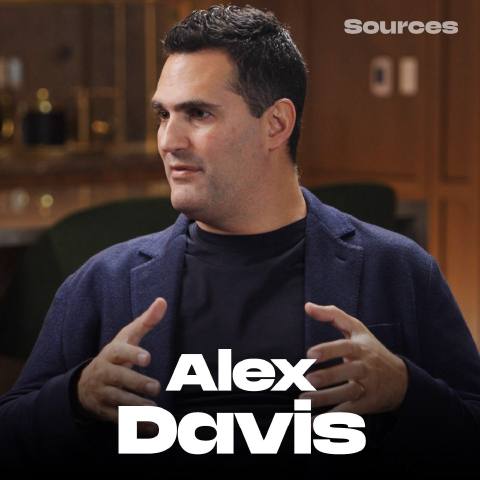
Alex Heath asks why leave deal-by-deal vehicles, where limited partners could see each company, for a fund. Alex Davis says this is the first real fund. Large special-purpose vehicles were a different market in 2012. A decade of groups that call themselves family offices, some with hundreds of investors, has made it hard for a company to know who is actually on the cap table.

A company that is 10 times oversubscribed, and that could take $10 billion, would rather take the money from a discretionary fund than from vehicles it cannot identify. He also treats the structure as a regulatory problem. Managing over $150 million is one line at which a firm can be an exempt reporting advisor, and some groups under a threshold have raised for a great company, Anthropic in a recent round among them, without it being clear the capital was deployed. The company wears the black eye. Databricks and other companies have been direct that this kind of investor should not be able to do it. Committed capital from a known set of partners is what those companies want. A firm that can invest only through these vehicles gets blocked over time, and the great companies take discretionary money instead. That is adverse selection, and the fund is how Disruptive got ahead of it.

Transcript

A quiet investor’s $10 billion bet on AI, chips, and defense ·
Sources with Alex Heath

More from this episode

  1. Why Raise a $10 Billion Fund When Valuations Look Frothy?Alex Heath asks why announce a $10 billion growth fund when valuations look frothy.
  2. Why Does Alex Davis Only Back Companies That Are Already Winning?Alex Davis says Disruptive was not built as a fee business by people who had left banking for venture.
  3. How Does a $10 Billion Fund Become Ten Checks?Alex Davis says the firm has already been writing some of the largest checks in growth-stage companies, especially over the last five or six years, after 15…
  4. Why Invest More After a Startup's Valuation Goes Up?Alex Davis keeps the list of companies Disruptive wants to own. Sometimes it is 20 names, sometimes 15, and he holds the list. Names come on and off.
  5. Why Did Alex Davis Double Down on Palantir Before Its IPO?Alex Davis says Disruptive had been in Palantir for about 10 years when COVID arrived.
  6. What Is Alex Davis Building at Groq After the Nvidia Deal?Alex Heath describes an early investment in Groq, the inference-chip company, and a $20 billion licensing deal with Nvidia.
  7. Why Will Speculative Data-center Landlords Get Hurt?Alex Davis does not think there are too many neoclouds. He thinks there are not enough good ones.
  8. Will Defense Startups Become the New Prime Contractors?Alex Davis expects new prime contractors for the first time in 100 years, and a defense-tech market that does not look like the old one.
  9. Is Value Investing Dead?Alex Davis says the only thing he wrestles with before writing a check is regulatory, meaning whether a regulatory problem was a reason to pass.
  10. Why Does Alex Davis Wish He Had Backed Closed Models Harder?Alex Davis does not point to regrets in what Disruptive did. Fifteen years later he does know answers he did not have then.

People

More answers like this

More with Alex Heath

Related episodes

Plays from this note through the rest of the episode.

Weekly highlights

One letter a week.

The notes worth hearing, with the minute they were said.