Smash Notes

Back to Arvind Krishna & Nikesh Arora: Quantum Threat, Open vs Frontier AI, AI Cyber Warfare & SaaS Collapse, with Arvind Krishna & Nikesh Arora.

How Often Are AI-found Code Flaws Real?

Nikesh Arora says a model that has learned what good code looks like can also point at bad code. Attackers only need one real vulnerability. Defenders have to find every one and patch it.

When Mythos first looked for bad code, Arora says it was hallucinating 30 percent of the time. He guesses that among people who have tested those findings, roughly 60 to 80 percent have been real and 20 percent have been hallucinations. He does not think anyone will patch from a flawed suggestion without testing it again.

Transcript

Arvind Krishna & Nikesh Arora: Quantum Threat, Open vs Frontier AI, AI Cyber Warfare & SaaS Collapse ·
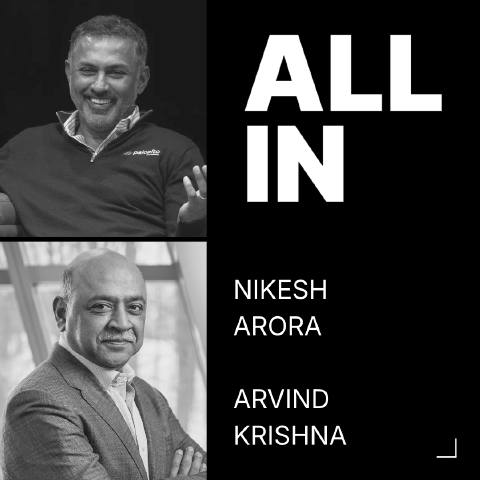
All-In

More from this episode

  1. When Could a Quantum Computer Break Today's Encryption?Arvind Krishna puts a working quantum computer that breaks today's cryptography at 2030.
  2. Should Teams Use the Best AI Model First?Nikesh Arora says that in the experimentation phase a company should use the best model it can find, in the easiest way.
  3. Will Agent-written Code Beat Human-written Code?Arvind Krishna says agent-written code will be superior to human-written code.
  4. Will Every State Ban Data Centers?Arvind Krishna says there is no chance all 50 states will ban data centers. A ban in 30 states is possible, and the remaining 20 would rub their hands in glee.
  5. Why Will Enterprise Software Vendors Consolidate?Nikesh Arora says there is going to be a huge disruption in the SaaS space over the next few years. Arvind Krishna builds on that point.
  6. Can AI Software Replace a Bank Lookup?Arvind Krishna says replacing a database lookup for retail banking, or the work of closing the books, with AI-generated software is going to be hard.

People

More answers like this

The other side

More with Nikesh Arora

More with Chamath Palihapitiya

Related episodes

Plays from this note through the rest of the episode.

Weekly highlights

One letter a week.

The notes worth hearing, with the minute they were said.