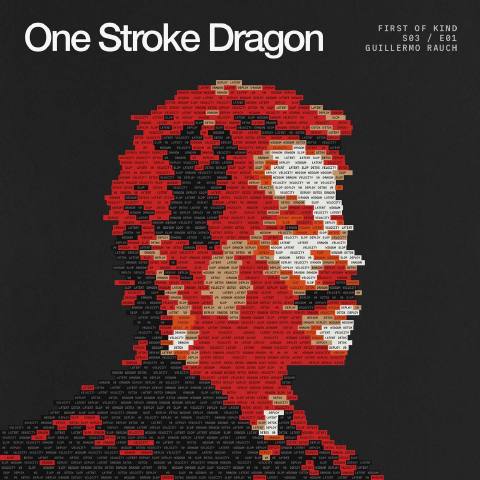
Back to Guillermo Rauch: One Stroke Dragon, with Guillermo Rauch.
Why Does the Same AI Agent Give Different Results?
Guillermo Rauch says the same agent given to two different people will never produce the same results. Velocity is speed with a direction, a vector, and the point is whether the work is actually getting to the destination. Speed is moving really fast: typing a lot, spending a lot of tokens, token maxing, with no outcome attached.
He has made that mistake in his own career, confusing speed for velocity. Iteration velocity is the internal meme he still uses, and he treats velocity as distinct from speed. The direction comes from thinking backwards from the business outcomes, the experience to create, the data to produce, and the traction to see in the world, then working back to design and implementation.
Guillermo Rauch: One Stroke Dragon ·
From the transcript
Nowadays, I'm thinking of people as the Renaissance people of the prophecy, right? Like they know and they have every skill all around athletes. All-around athletes, because they can delegate work to agents. And I think this is going to emphasize and fuel this focus on landing. Because you're going to be thinking backwards from the business outcomes, from the experience that you want to create, from the data that you want to produce, from the traction that you want to see in the world, and work backwards to your design, implementation, et cetera.
We used to mention this other meme internally a lot, we still use it, called iteration velocity. So velocity is a distinct constant from speed. And I've seen in my career, I've made the mistake myself of confusing speed for velocity. So speed is you move really, really fast. You type a lot. You spend a lot of tokens. You're token maxing. But for what outcome? Velocity is a speed with a direction, a vector.